
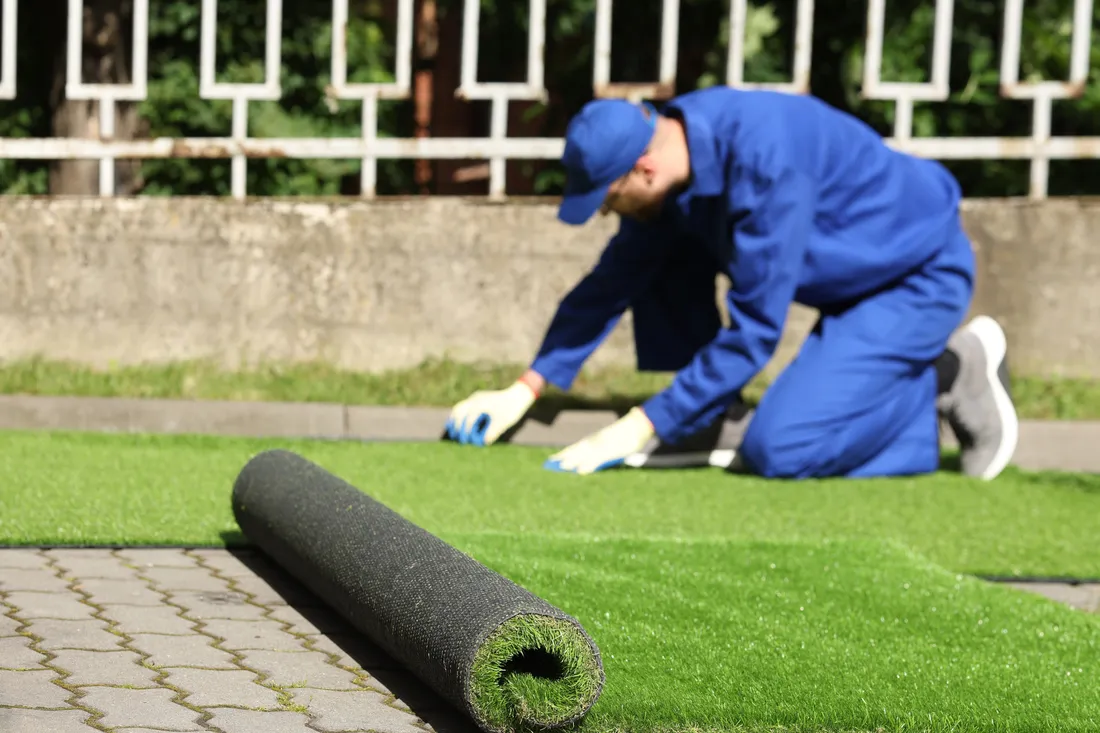
Residential lawns
A green, even lawn all year, including under the trees where natural grass struggles to get enough light.
Shaded yards, wet winters and established trees are why so many Melbourne homeowners look at artificial turf. Here's what it actually costs, followed by a free quote from a vetted local installer.
Tell us a little about your job and we'll pass it to a vetted local installer.
| Tier | Supply only ($/m²) | Supplied & installed ($/m²) | Typical lifespan |
|---|---|---|---|
| Budget | $25–40 | $75–95 | 5–8 years |
| Mid | $40–60 | $95–130 | 10–15 years |
| Premium | $60–100+ | $130–160+ | 15–20+ years |
Supplied-and-installed price ranges compiled from published 2025–26 Australian supplier pricing (Premier Grass, EasyTurf, All Seasons and others). Most homeowners land in the $90–130/m² installed range for a standard residential lawn; your installer confirms an exact figure after seeing the yard.
Enter your approximate lawn area to see a supplied-and-installed price range. This is a planning estimate built from published Australian supplier pricing. Your installer will confirm an exact quote after measuring your yard.
Whatever's prompting the search (a shaded side yard that's never grown grass, a muddy patch by the back door every winter, or a pet-friendly space), here's what gets quoted most:
A green, even lawn all year, including under the trees where natural grass struggles to get enough light.
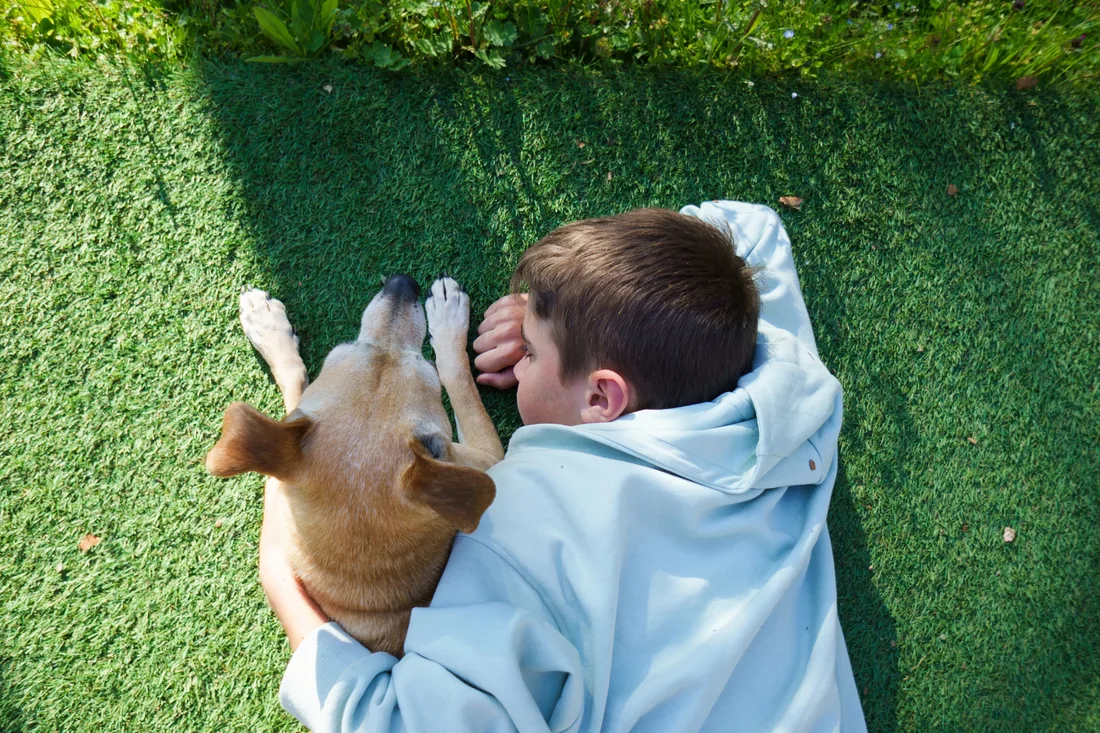
Denser pile, permeable backing and odour-managed infill, quoted separately from a standard residential lawn.
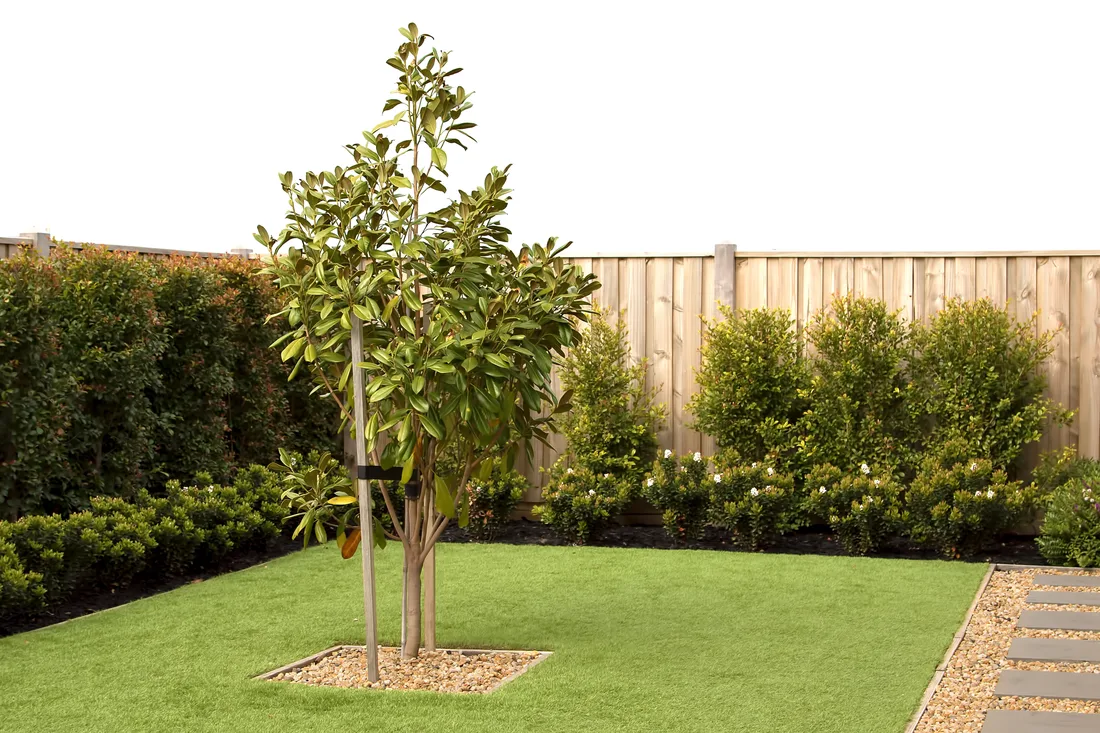
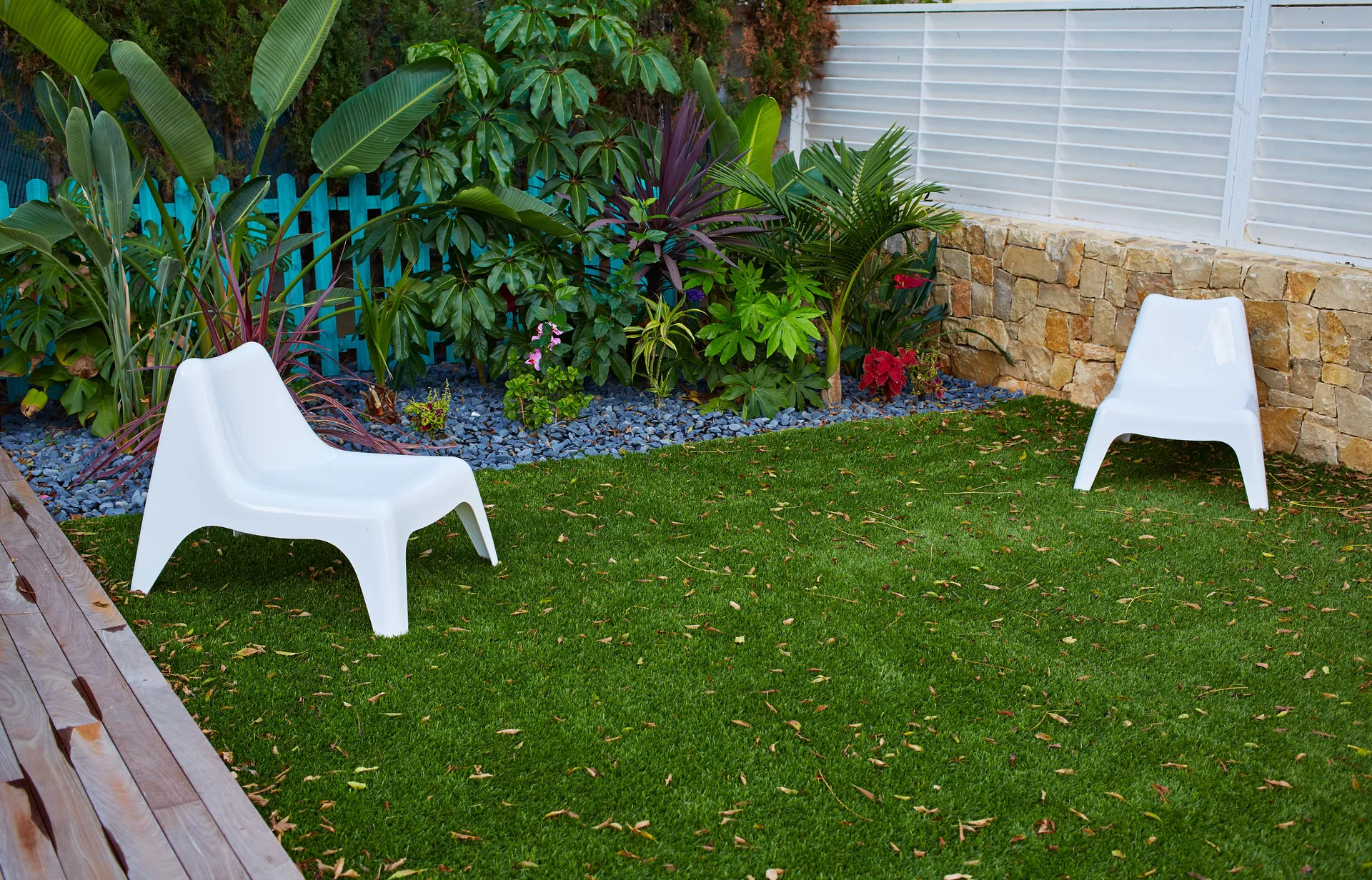
Turf doesn't need sunlight to look good. Installers quote the shaded side yards and under-tree patches that natural grass gives up on.
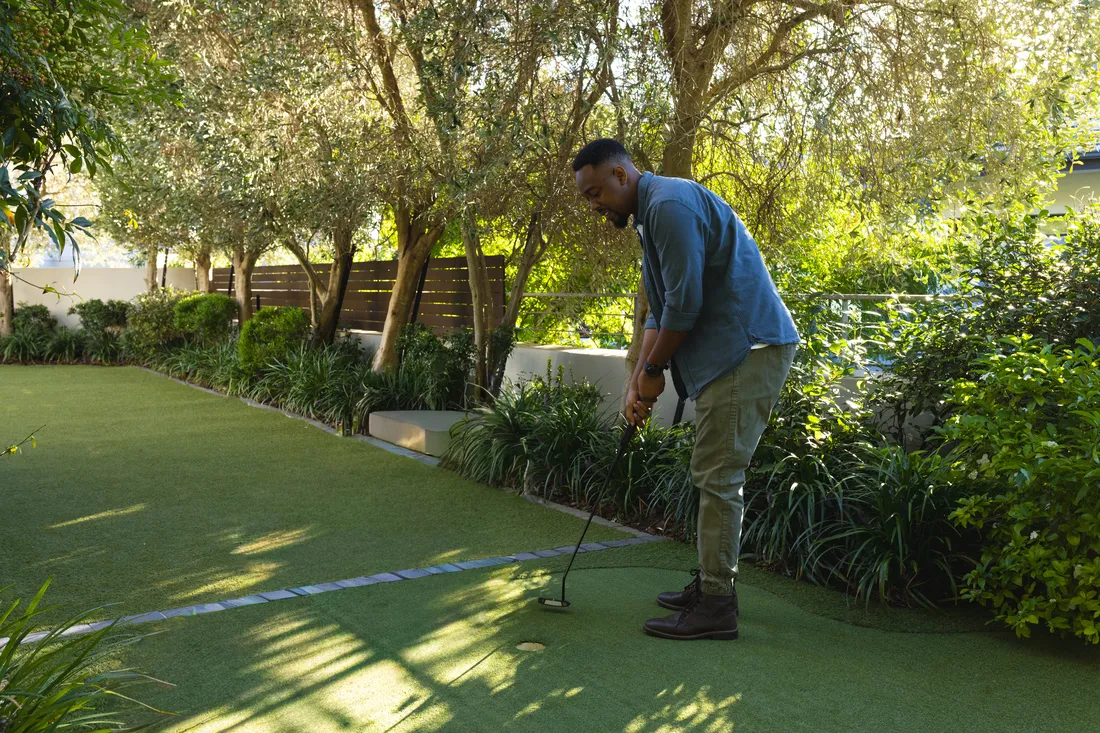
Short, dense-pile turf for a home putting green, a distinct product and install from a standard lawn.
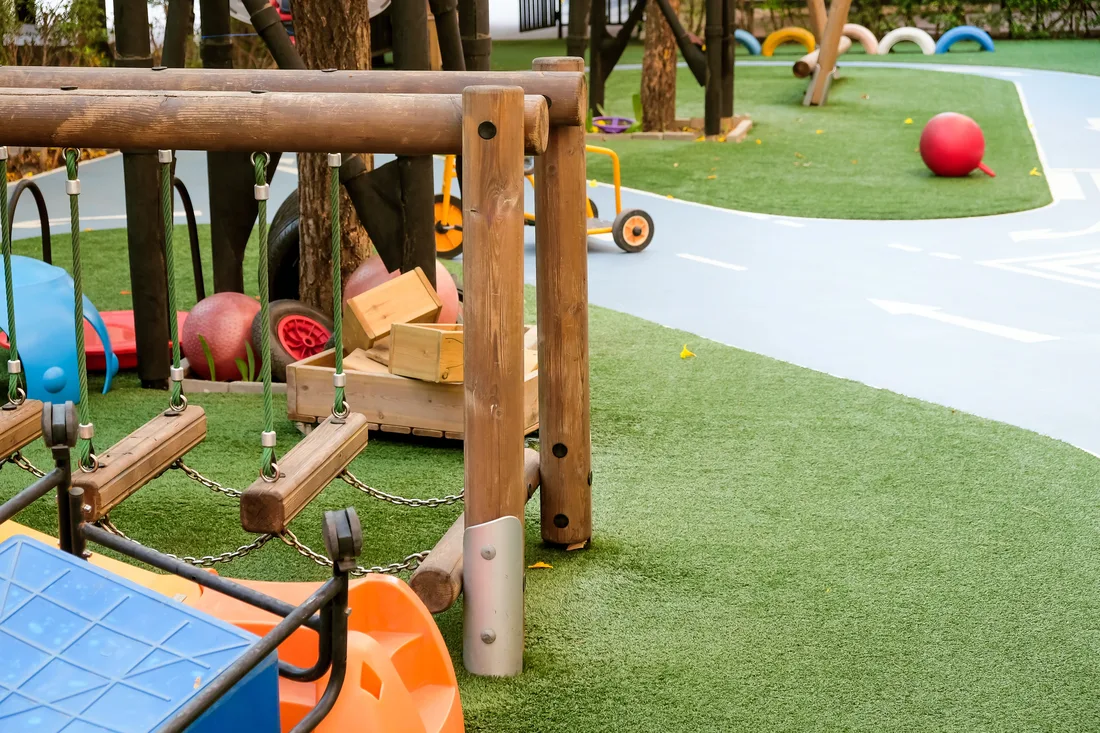
Durable turf for strata common areas, childcare centres and play spaces, quoted to the relevant use case.
Most lead-generation turf sites hide pricing behind a form so you have no idea if a quote is fair. We publish the cost guide above first, sourced from published Australian supplier pricing, so you can sanity-check any quote you receive, from us or anyone else, before you commit to anything.
Suburb, rough area, what the space needs to do.
A vetted Melbourne installer calls to arrange a measure and firm quote.
Take the quote, compare it, or walk away. Asking costs nothing.
Excavation, base prep and the lay, handled start to finish by the installer.
Victoria's Permanent Water Saving Rules have applied statewide since 2011: sprinklers and fixed irrigation systems can only run 6pm–10am, any day of the year, enforceable under the Water Act. Hand-held hoses with a trigger nozzle are exempt and fine anytime. It's a permanent rule, not a drought response, and it's part of why some households simplify by removing the watering question from at least part of the yard.
The stronger Melbourne argument is usually structural rather than about water: artificial turf doesn't need sunlight, so shaded side yards and patches under established trees can look consistently green where natural grass has always struggled. And because there's no exposed soil, the muddy strip that reappears every wet Melbourne winter doesn't come back either, though that only holds if the base underneath is properly drained and compacted to begin with.
We take enquiries from across greater Melbourne, including these growth-corridor and established suburbs where we hear from homeowners most. Not listed? Enquire anyway. Our installer network covers the wider metro area.
Structurally, yes: there's no exposed soil to turn to mud, because the surface is a synthetic pile over a compacted, well-drained base rather than living soil. That's a straightforward mechanical fact, not a supplier claim. What it doesn't fix is drainage that was already poor before the turf went in. A base that isn't properly compacted and screeded will still pool or stay soggy under the new surface, so the install quality matters as much as the product.
Yes, and this is one of the more genuine advantages for Melbourne blocks with established trees or south-facing yards. Natural grass needs a minimum amount of sunlight to photosynthesise and stays patchy or bare under heavy shade no matter how well you look after it. Artificial turf doesn't rely on light at all, so a shaded side yard that's never grown decent grass can still look even and green.
We haven't found a solid Australian data source that proves a frost-durability claim one way or the other, so we won't make one up. If a supplier tells you their product is frost-proof, ask them for the test data. What we can say confidently: because there's no soil surface to compact or turn to mud, artificial turf avoids the winter bare-patch problem that hits natural lawns under regular foot traffic in wet months.
Victoria's Permanent Water Saving Rules have applied statewide since 2011 and are enforceable under the Water Act: sprinklers and fixed watering systems can only run 6pm–10am, any day, permanently; hand-held hoses with a trigger nozzle are fine anytime. An artificial lawn removes the watering-window question entirely for that area of your yard, though obviously any garden beds you keep are still subject to the rule.
It's one input, not the whole case. Melbourne's water storages sat around 75% in late 2025, with no restrictions currently planned, so today it's more a bill-and-convenience argument than a supply-crisis one. The stronger Melbourne case is usually shade tolerance, no mowing and no mud, with water savings a genuine but secondary bonus.
Check your specific council first. Some Victorian councils, Maribyrnong among them, restrict artificial turf on nature strips (the verge between the footpath and the road). That rule is specific to the public verge; it has no bearing on turf laid in your actual front or back yard, which covers almost every residential enquiry we get.
It depends on the size of the job and what's under the current lawn; your installer will give you a real number with the quote rather than a generic promise. Most of the time on a typical job goes into excavation and base preparation (road base, compaction, screeding), which is also where DIY attempts most commonly fail, according to consumer body CHOICE and industry installation guides alike.
It costs nothing to ask, and there's no obligation to proceed.
Tell us a little about your job and we'll pass it to a vetted local installer.